
Put the practical details in one confirmation
Tell participants which entrance to use, who holds any booking reference and what to bring through security. Give the guide or organizer a meeting point outside the perimeter. If the group splits after admission, avoid holding up the upper-level circulation while waiting for the last person to finish looking. Instead arrange a separate point and time after the visit.
Our handpicked tours for this trip
Independent picks, curated by us for rating, reviews and what’s included. We source the best price; free cancellation on most.
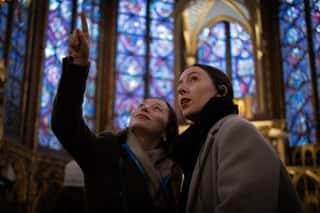 Top pick2 hours
Sainte-Chapelle, Conciergerie, Notre Dame Guided Tour
 2.5 hours
Notre-Dame Cathedral and Sainte-Chapelle Guided Tour
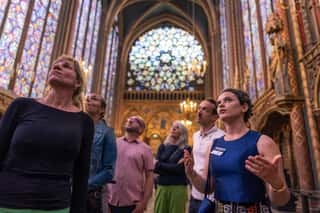 1.5 hours
Sainte-Chapelle Small Group Guided Tour
 1 day
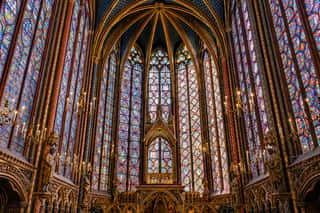 1 - 1.5 hours
Sainte-Chapelle Guided Tour and Reserved Entry Ticket
Assign the right kind of buffer
Keep early arrivals from queueing indefinitely by giving them a short alternative nearby. Place lunch or a walk after the visit; don't rely on an exact end time for a second separately timed attraction. Check both the current programme and FAQ because a group service's conditions may differ from ordinary individual entry. Before paying for an outside guide, confirm whether it is guiding inside, outside, or both and which party is responsible for arranging the tickets.
Choose the correct group category first
The CMN practical page distinguishes professional parties and non-professional groups; it lists mandatory booking for non-professional groups from eight and a maximum group size of 24. Reconfirm the numbers and which category applies. Do not split an organised group into individual transactions to try to bypass the relevant group process.
Get one written arrival and admission plan
Ask who should present documents, whether the organiser has to be present, where the group can stand without blocking a pavement and what to do when someone is late. Keep booking reference, date, slot and any access requirements together in one note for the guide or responsible adult.
Ask for a practical adjustment, not a general reassurance
When an adapted visit is important, a useful written enquiry says what needs to work. For example, specify the date, route part, desired language or material, whether a companion is travelling and the length or kind of wait that would be difficult. Ask where to go first, what staff or resources will be available and whether the booking or admission process is different. A general answer that the monument welcomes everyone does not settle a technical, communication or sensory question. If the published service is tailored to groups of a particular size, do not assume the same offer is available to individual visitors on request; ask. Identify one experience the visitor wants and protect it rather than buying an elaborate package that solves a different problem.
Plan a group around its slowest transition
Go over security restrictions before people leave their hotel or bus. A leader should know which companion will help with a delay and where the others can meet away from the circulation route. Do not expect the speed of the average visitor to be the speed of the whole group.
Build in a change of pace without announcing a failure
Decide together how to indicate that a break or early exit would be useful, and agree what the next comfortable place will be. Choose a street-level option if it meets the needs of the group; do not assume a shaded, quiet or seated space is accessible without checking. Having a simple break in mind can make it easier to enter with confidence. It also means a companion can finish one observation while someone else disengages, if staff and circulation allow and everyone is comfortable with that. Agree where to meet again, not simply which room you are leaving. On a challenging day, protect a single meaningful observation and leave a second timed activity out of the plan rather than carrying pressure from one site to the next.
If the booking is too large or unavailable
Ask the venue which alternative dates, services or group arrangements it offers. Do not assume two formally separate bookings make a single simultaneous visit possible. If only a smaller party can take part, deliberately plan a different experience for the others and run the second meeting as a separate appointment.
Make the team plan legible before leaving
Use ordinary language and avoid passing multiple links to everyone without saying which action each person needs to take. Name who carries the tickets, who will discuss arrangements with staff if asked, and how the group will keep in touch if separated. Help requested by a companion and help imposed without asking are not the same thing; confirm what the visitor prefers. If someone depends on an accessible route or specific resource, confirm it with the source and avoid substituting an assumption from a different Paris venue. Keep a backup that still respects the purpose of the day. If the full experience needs to be moved, that is more useful than announcing that all levels or resources will be available without evidence.
Can we meet inside if people arrive at different times?
Do not base a group booking on that assumption. Ask the venue how it handles the group’s actual arrival pattern and whether late participants can join. Keep a public rendezvous for before security and another backup away from the entrance. The leader should know which documents the group must present together and whether a participant travelling alone needs different confirmation.
Confirm the entire visit chain before relying on one feature
A question about what is inside a building is only one part of the encounter. Try walking through the trip on paper with the actual visitor: from vehicle or platform to street, from street to entry, from security to the planned level, and from there to a break or exit. Ask which transition is most difficult. When calling the venue, give the date, group size and the specific barrier or service you need to discuss. You can describe relevant needs without disclosing unrelated personal details. Confirm that an adapted resource, assistance or separate appointment matches the intended visit, not merely that the website lists one. If anyone relying on it has an unworkable journey without it, agree on what to do before paying for another timed stop. That is different from assuming the whole group must change its plans automatically.
Plan the rest of your trip
More handpicked experiences nearby. We source the best price.
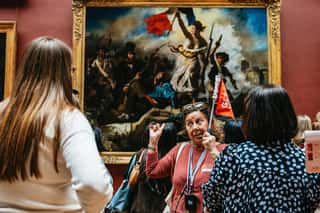 Top pick2 - 3 hours
Louvre Museum Tour: Mona Lisa & Iconic Masterpieces
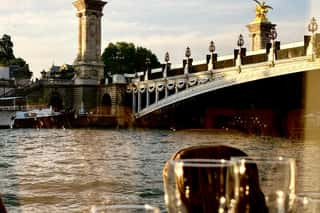 1.5 - 4 hours
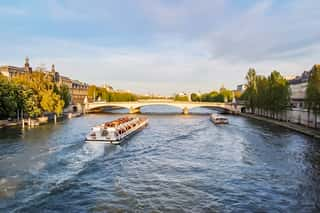
Seine River Bistronomic Dinner Cruise
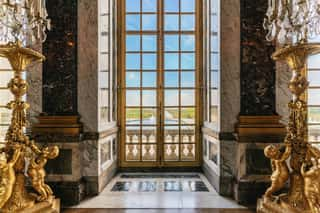 5.5 - 9.5 hours
Versailles Palace Guided Tour & Gardens Access
 1 day
Louvre Guided Tour with Reserved Access & Boat Cruise
 1 hour
Seine River Sightseeing Evening Cruise with Champagne
 4 hours
Versailles Guided Tour by Deluxe Minibus
Keep planning
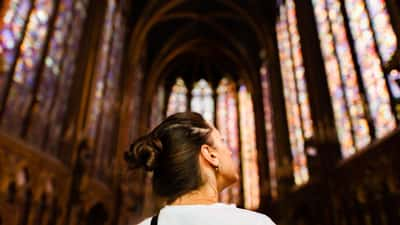 Tickets & timesSainte-Chapelle guided or self-guided? Pick the right amount of explanationChoose between independent observation and a tour format by checking group, language and entrance terms.
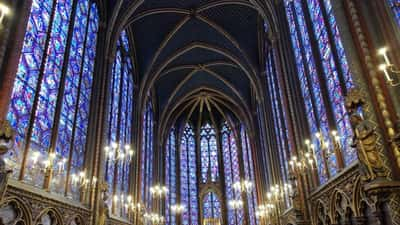 Tickets & timesSainte-Chapelle concert or daytime visit? They are different ticketsChoose between an evening musical event and a daytime look at the building and windows.
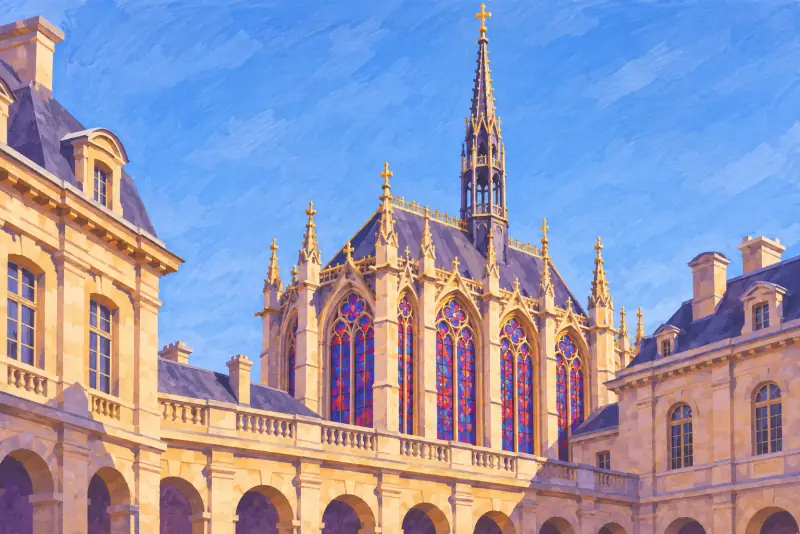 Tickets & timesHow long does Sainte-Chapelle take? Plan for three separate stagesBudget time for access, the lower chapel and a proper look at the upper stained glass.
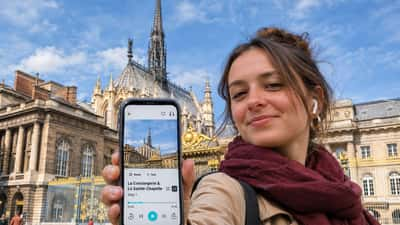 Tickets & timesSainte-Chapelle and Conciergerie combined ticket: which to visit first?Plan the Île de la Cité visit around Sainte-Chapelle’s booked time and the Conciergerie’s separate last admission.
