
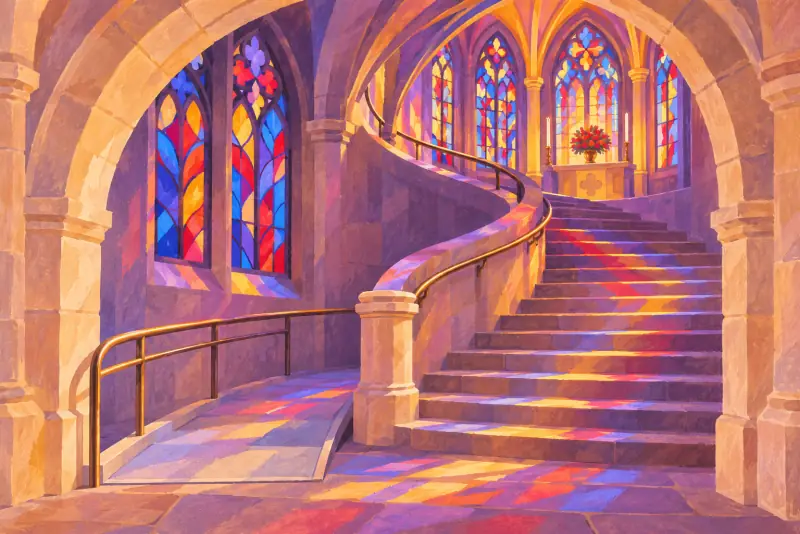
Plan the handoff in advance
Tell the venue the type of support sought: orientation, large print, audio interpretation or an arranged activity. Ask what's available on an ordinary visit and what requires a specific arrangement. If you plan to go with a companion, confirm the best way to meet before security and the shared pace once inside. A map that works for a sighted visitor may not be sufficient to describe the exact approach to the entry.
Our handpicked tours for this trip
Independent picks, curated by us for rating, reviews and what’s included. We source the best price; free cancellation on most.
 Top pick2 hours
Sainte-Chapelle, Conciergerie, Notre Dame Guided Tour
 2.5 hours
Notre-Dame Cathedral and Sainte-Chapelle Guided Tour
 1.5 hours
Sainte-Chapelle Small Group Guided Tour
 1.5 hours
Sainte-Chapelle Entry with Notre Dame Outdoor Tour
 1 day
 1 - 1.5 hours
Sainte-Chapelle Guided Tour and Reserved Entry Ticket
Pick one meaningful theme
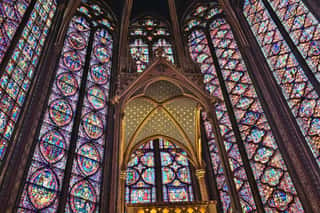
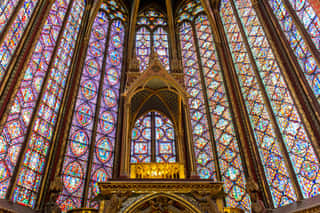
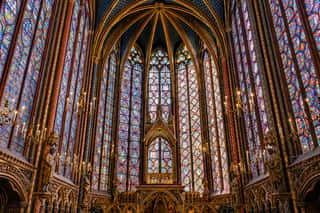
The history of the chapel as a setting for the relics gives the interior sequence a clear narrative. Discuss what makes the two rooms feel different rather than trying to describe each panel. If considering the Conciergerie too, ask that monument about its own adapted resources; arrangements at one institution do not prove how the next visit will work.
Book interpretation as well as entry
The CMN's dedicated offer lists tactile and large-print materials, including plans and sample objects such as limestone and a representation of Saint Louis. Ask how to reserve and collect the materials, which are available for the intended type of visit, and whether an individual visitor can use what is offered on that date.
Share a short description of the two levels
Prepare a verbal comparison of the compact lower chapel and the tall upper one. Use location, texture, proportion and sound, not the name of a colour alone. Decide with the visitor what information is useful before arriving. Let them direct the pace and select whether to focus on the building, its function or a specific object.
Ask for a practical adjustment, not a general reassurance
When an adapted visit is important, a useful written enquiry says what needs to work. For example, specify the date, route part, desired language or material, whether a companion is travelling and the length or kind of wait that would be difficult. Ask where to go first, what staff or resources will be available and whether the booking or admission process is different. A general answer that the monument welcomes everyone does not settle a technical, communication or sensory question. If the published service is tailored to groups of a particular size, do not assume the same offer is available to individual visitors on request; ask. Identify one experience the visitor wants and protect it rather than buying an elaborate package that solves a different problem.
Make orientation practical
If a visitor wants an arm for guidance, agree on how to communicate steps, changes in surface and narrow passages. Do not assume they need assistance simply because you are travelling together. Contact the venue if a route link, mobility support, a guide dog or accessible documentation has to be confirmed before booking.
Build in a change of pace without announcing a failure
Decide together how to indicate that a break or early exit would be useful, and agree what the next comfortable place will be. Choose a street-level option if it meets the needs of the group; do not assume a shaded, quiet or seated space is accessible without checking. Having a simple break in mind can make it easier to enter with confidence. It also means a companion can finish one observation while someone else disengages, if staff and circulation allow and everyone is comfortable with that. Agree where to meet again, not simply which room you are leaving. On a challenging day, protect a single meaningful observation and leave a second timed activity out of the plan rather than carrying pressure from one site to the next.
If a resource cannot be supplied
Ask which official materials can be downloaded before the visit and whether there is another suitable date for an adapted tour. Bring a brief spoken or large-print backup in the visitor’s preferred format. If the resource was the main reason for visiting, it is reasonable to reschedule instead of treating it as a bonus.
Make the team plan legible before leaving
Use ordinary language and avoid passing multiple links to everyone without saying which action each person needs to take. Name who carries the tickets, who will discuss arrangements with staff if asked, and how the group will keep in touch if separated. Help requested by a companion and help imposed without asking are not the same thing; confirm what the visitor prefers. If someone depends on an accessible route or specific resource, confirm it with the source and avoid substituting an assumption from a different Paris venue. Keep a backup that still respects the purpose of the day. If the full experience needs to be moved, that is more useful than announcing that all levels or resources will be available without evidence.
How should a companion prepare a description?
Ask first which type of description the visitor wants. Start with the room’s boundaries and directions, cover its height and what those proportions do, and offer colour as just one part of the answer. Avoid pointing and saying “over there.” If a tactile reproduction is available, identify how its scale differs from the object. Let the visitor choose when to move on.
Confirm the entire visit chain before relying on one feature
A question about what is inside a building is only one part of the encounter. Try walking through the trip on paper with the actual visitor: from vehicle or platform to street, from street to entry, from security to the planned level, and from there to a break or exit. Ask which transition is most difficult. When calling the venue, give the date, group size and the specific barrier or service you need to discuss. You can describe relevant needs without disclosing unrelated personal details. Confirm that an adapted resource, assistance or separate appointment matches the intended visit, not merely that the website lists one. If anyone relying on it has an unworkable journey without it, agree on what to do before paying for another timed stop. That is different from assuming the whole group must change its plans automatically.
Plan the rest of your trip
More handpicked experiences nearby. We source the best price.
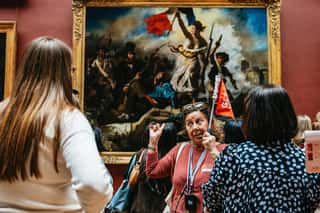 Top pick2 - 3 hours
Louvre Museum Tour: Mona Lisa & Iconic Masterpieces
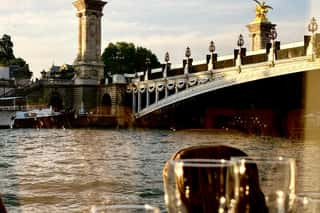 1.5 - 4 hours
Seine River Bistronomic Dinner Cruise
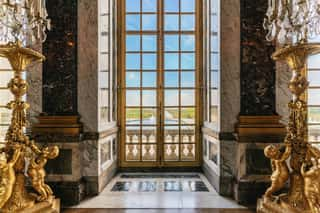 5.5 - 9.5 hours
Versailles Palace Guided Tour & Gardens Access
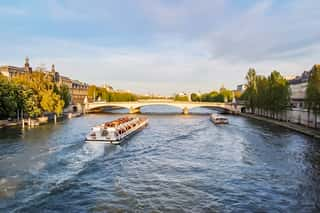 1 day
Louvre Guided Tour with Reserved Access & Boat Cruise
 1 hour
Seine River Sightseeing Evening Cruise with Champagne
 4 hours
Versailles Guided Tour by Deluxe Minibus
Keep planning
 Access & situationsA quieter, simpler plan for a cognitively accessible Sainte-Chapelle visitUse adapted visitor information and agree on a short, predictable sequence.
 Access & situationsVisiting Sainte-Chapelle in a heatwave: keep the timed stop manageableCheck the heat notice, plan the exposed wait, and leave an easy option after the chapel.
 Access & situationsSainte-Chapelle with a suitcase: arrange luggage storage firstDo not turn up at Sainte-Chapelle with a large suitcase expecting the chapel to take it.
 Access & situationsSainte-Chapelle on a rainy day: what works and what doesn’tKeep the chapel visit workable in rain and separate a timed attraction from the outdoor queue.
