
Make the sequence predictable
Explain that admission is next to a working justice complex and may include a wait or instructions. Tell visitors what will happen to bags and tickets without overwhelming them with every possible rule. Choose a rendezvous outside and a signal anyone can use to request a break. Prepare a description or image of one thing to look for, not a test the group must complete.
Our handpicked tours for this trip
Independent picks, curated by us for rating, reviews and what’s included. We source the best price; free cancellation on most.
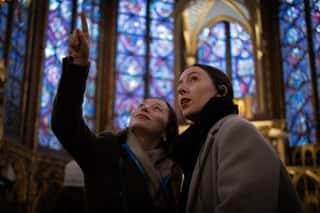 Top pick2 hours
Sainte-Chapelle, Conciergerie, Notre Dame Guided Tour
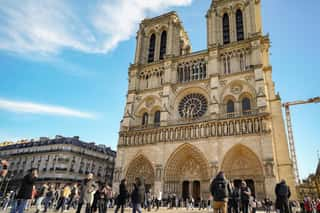 2.5 hours
Notre-Dame Cathedral and Sainte-Chapelle Guided Tour
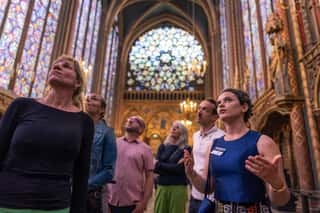 1.5 hours
Sainte-Chapelle Small Group Guided Tour
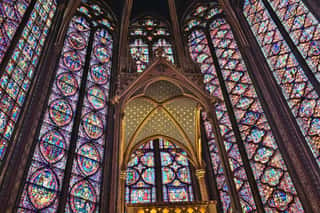 1.5 hours
Sainte-Chapelle Entry with Notre Dame Outdoor Tour
 1 day
 1 - 1.5 hours
Sainte-Chapelle Guided Tour and Reserved Entry Ticket
Choose the right follow-up
Someone who has enjoyed one room may not enjoy two more indoor attractions simply because the tickets are nearby. A short public walk or a garden with confirmed access makes a flexible alternative. If a requested adapted activity is essential, confirm its availability directly with the monument rather than assuming an ordinary booking includes it. Recheck the practical information and ask about a quieter time or a shorter booked activity when that would help.
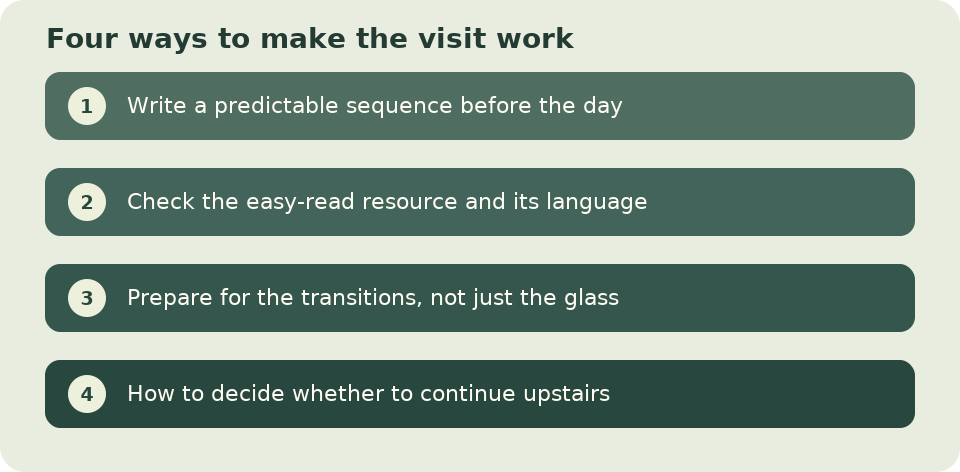
Write a predictable sequence before the day
Use four plain steps: get to a known meeting point, prepare for security, choose one thing to notice in the lower chapel, then decide together whether to go upstairs. Keep the option to leave early visible rather than treating it as an emergency. Avoid changing the plan without telling the visitor.
Check the easy-read resource and its language
The CMN publishes a FALC easy-read booklet and describes adapted provision. Confirm the language and format rather than assuming there is an English version with identical content. Review the booklet together so the visitor can point to what they want to see and say what parts of the outing might be difficult.
Ask for a practical adjustment, not a general reassurance
When an adapted visit is important, a useful written enquiry says what needs to work. For example, specify the date, route part, desired language or material, whether a companion is travelling and the length or kind of wait that would be difficult. Ask where to go first, what staff or resources will be available and whether the booking or admission process is different. A general answer that the monument welcomes everyone does not settle a technical, communication or sensory question. If the published service is tailored to groups of a particular size, do not assume the same offer is available to individual visitors on request; ask. Identify one experience the visitor wants and protect it rather than buying an elaborate package that solves a different problem.
Prepare for the transitions, not just the glass
Noise near security, bags being checked, waiting, different light levels and a narrow stair can be more significant than the duration of the visit. Ask staff or your companion how to communicate what will happen. Agree a private signal for a break and a simple backup that does not depend on a second timed booking.
Build in a change of pace without announcing a failure
Decide together how to indicate that a break or early exit would be useful, and agree what the next comfortable place will be. Choose a street-level option if it meets the needs of the group; do not assume a shaded, quiet or seated space is accessible without checking. Having a simple break in mind can make it easier to enter with confidence. It also means a companion can finish one observation while someone else disengages, if staff and circulation allow and everyone is comfortable with that. Agree where to meet again, not simply which room you are leaving. On a challenging day, protect a single meaningful observation and leave a second timed activity out of the plan rather than carrying pressure from one site to the next.
How to decide whether to continue upstairs
After one short lower-chapel observation, ask how the visitor wants to proceed rather than claiming there is a right answer. If they are interested and the route works, choose one upper-chapel view. If they want to leave, follow the venue route out and pick a quieter street-level pause they already know about.
Make the team plan legible before leaving
Use ordinary language and avoid passing multiple links to everyone without saying which action each person needs to take. Name who carries the tickets, who will discuss arrangements with staff if asked, and how the group will keep in touch if separated. Help requested by a companion and help imposed without asking are not the same thing; confirm what the visitor prefers. If someone depends on an accessible route or specific resource, confirm it with the source and avoid substituting an assumption from a different Paris venue. Keep a backup that still respects the purpose of the day. If the full experience needs to be moved, that is more useful than announcing that all levels or resources will be available without evidence.
How do I help without making the visit feel like a checklist?
Write a short story of what is likely to happen and show the visitor how to say “stay,” “pause” or “leave.” It need not look like a formal worksheet. Use the lower room as a natural point to decide about continuing, not a test of whether the visitor followed the plan. If changes are necessary, explain them with one concrete next step.
Confirm the entire visit chain before relying on one feature
A question about what is inside a building is only one part of the encounter. Try walking through the trip on paper with the actual visitor: from vehicle or platform to street, from street to entry, from security to the planned level, and from there to a break or exit. Ask which transition is most difficult. When calling the venue, give the date, group size and the specific barrier or service you need to discuss. You can describe relevant needs without disclosing unrelated personal details. Confirm that an adapted resource, assistance or separate appointment matches the intended visit, not merely that the website lists one. If anyone relying on it has an unworkable journey without it, agree on what to do before paying for another timed stop. That is different from assuming the whole group must change its plans automatically.
Plan the rest of your trip
More handpicked experiences nearby. We source the best price.
 Top pick2 - 3 hours
Louvre Museum Tour: Mona Lisa & Iconic Masterpieces
 1.5 - 4 hours
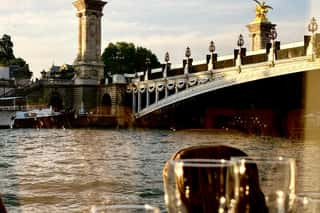
Seine River Bistronomic Dinner Cruise
 5.5 - 9.5 hours
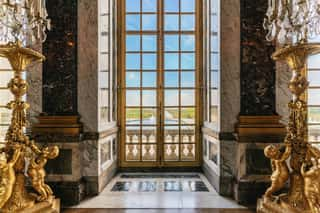
Versailles Palace Guided Tour & Gardens Access
 1 day
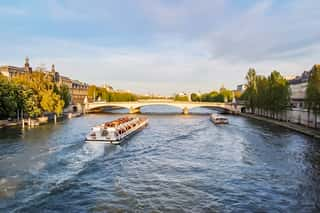
Louvre Guided Tour with Reserved Access & Boat Cruise
 1 hour
Seine River Sightseeing Evening Cruise with Champagne
 4 hours
Versailles Guided Tour by Deluxe Minibus
Keep planning
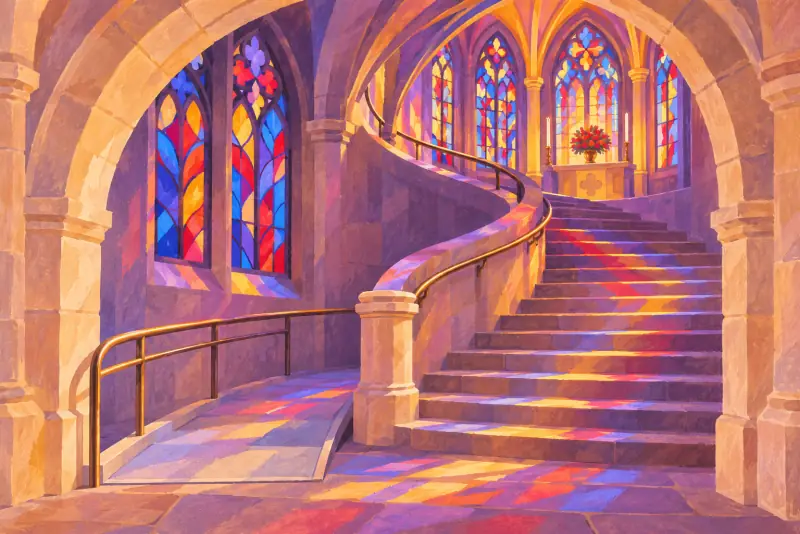 Access & situationsSainte-Chapelle wheelchair access: plan for the upper chapelHow to verify upper-chapel access, what to tell the staff and when to book an accessibility time slot.Access & situationsVisiting Sainte-Chapelle with low vision: plan a visit beyond the windowsCheck adapted resources and choose an experience that does not depend on reading small coloured panels.
 Access & situationsVisiting Sainte-Chapelle in a heatwave: keep the timed stop manageableCheck the heat notice, plan the exposed wait, and leave an easy option after the chapel.
 Access & situationsSainte-Chapelle with a suitcase: arrange luggage storage firstDo not turn up at Sainte-Chapelle with a large suitcase expecting the chapel to take it.
