
Look for three different layers
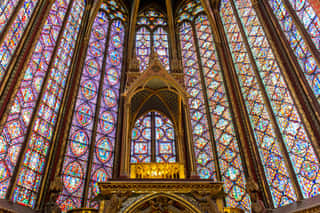
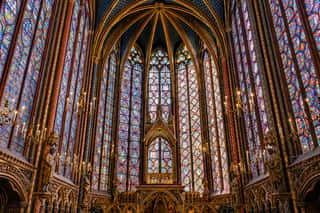
In the glass, compare the history of the rose with that of the tall window ensemble. In the paint, ask whether the visible pattern preserves a medieval idea, reflects a later treatment or both. In sculpture, look at where the figures sit and what the official explanation says about what survives. Keeping these questions separate makes the building less confusing than asserting it is either entirely original or entirely reconstructed.
Our handpicked tours for this trip
Independent picks, curated by us for rating, reviews and what’s included. We source the best price; free cancellation on most.
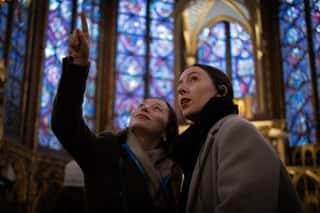 Top pick2 hours
Sainte-Chapelle, Conciergerie, Notre Dame Guided Tour
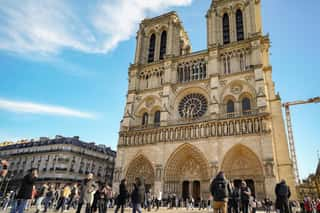 2.5 hours
Notre-Dame Cathedral and Sainte-Chapelle Guided Tour
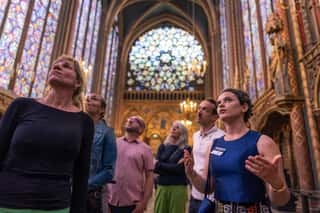 1.5 hours
Sainte-Chapelle Small Group Guided Tour
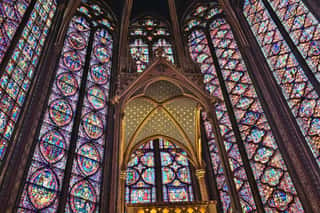 1.5 hours
Sainte-Chapelle Entry with Notre Dame Outdoor Tour
 1 day
 1 - 1.5 hours
Sainte-Chapelle Guided Tour and Reserved Entry Ticket
Conservation is not the same as a new design
An active intervention may change what visitors can see temporarily, without changing what a feature represents historically. If a bay is screened, use the illustrated source, then examine the details you can still see in person. An independent guide can be helpful, but check the monument’s research before relying on a claim that attributes the whole interior to one date.
Expect several historical layers at one glance
A broad view can contain medieval design and surviving material, nineteenth-century reconstruction and work carried out to protect the building in more recent years. Restored does not automatically mean invented or demolished, and original does not mean untouched. Use the subject and date of the feature you are describing rather than making a claim about the entire room.
Follow one example through its evidence
For sculpture, begin with the CMN's identification of surviving medieval apostle figures and distinguish the original material from the current visual series. For wall colour, use the official painted decoration note, which explains how survivals informed later work. For glass, use a description of a specific window rather than guessing from its brightness.
How visitors can tell what they are seeing
Read the object label or official illustrated guide and look for whether it names an element, part of an element or an entire programme. A single new support can preserve an old pane; a carefully restored appearance may cover a mix of dates. Phrase photograph notes accordingly, without importing a date from a neighbouring feature.
If a display is temporarily obscured
Look at a different component and make the historical comparison through the source outside the building. Do not conclude that a piece has been removed forever because you could not see it on your visit. If that one piece is your main reason for coming, ask the operator for the current public view before choosing a date.
Is there a quick visual test for original work?
Not one you can trust. A dark pane can be hard to see from one angle regardless of its age, and an old-looking surface can sit within a later assembly. Look for a comparison where the published source identifies a named original or explains a specific restoration. Use that as an example of evidence rather than trying to assign a date to every part of the room.
Plan the rest of your trip
More handpicked experiences nearby. We source the best price.
 Top pick2 - 3 hours
Louvre Museum Tour: Mona Lisa & Iconic Masterpieces
 1.5 - 4 hours
Seine River Bistronomic Dinner Cruise
 5.5 - 9.5 hours
Versailles Palace Guided Tour & Gardens Access
 1 day
Louvre Guided Tour with Reserved Access & Boat Cruise
 1 hour
Seine River Sightseeing Evening Cruise with Champagne
 4 hours
Versailles Guided Tour by Deluxe Minibus
Keep planning
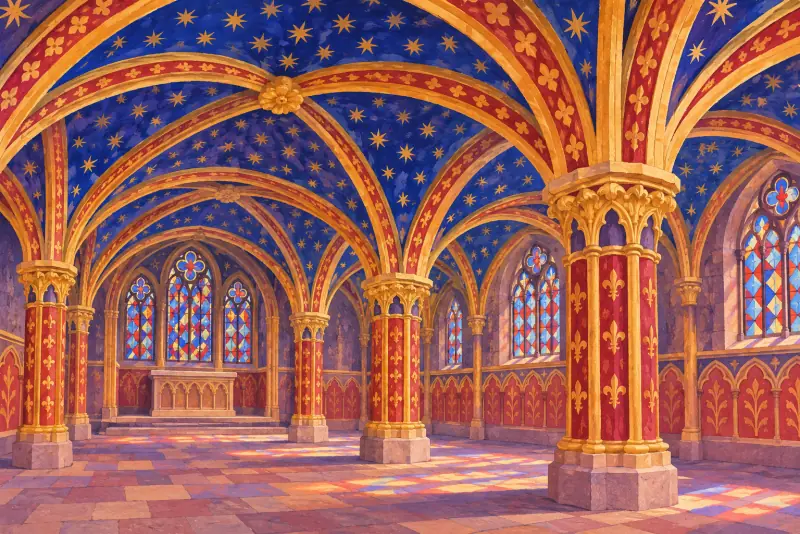 Inside the chapelIs the Crown of Thorns still at Sainte-Chapelle?Separate what the chapel was built to house from what visitors can see today.Inside the chapelIs Sainte-Chapelle Rayonnant Gothic? What to notice from the floorLook for the relation between stone supports, window tracery and the impression of height.Inside the chapelSainte-Chapelle’s painted ceiling: what the glass can make you missBefore looking straight up at the glass, take a minute to see where the paint sits in the architecture. The decoration fits around ribs, supports and arches.Inside the chapelPhotographing Sainte-Chapelle: get a useful view without holding up the visitPlan simple photos with a phone and verify what equipment the monument allows.
